George Washington Did Not Sleep Here: A Forensic Audit of Your Town's Favorite Lie
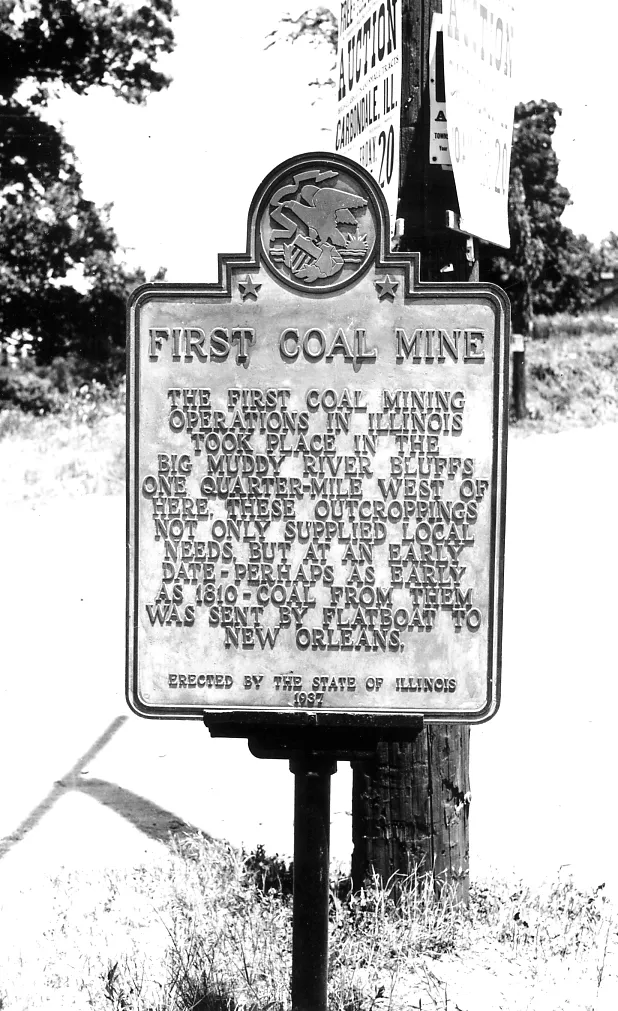
Photo: Unknown authorUnknown author or not provided, Public domain, via Wikimedia Commons
Somewhere along a two-lane road in America right now, a green and gold marker is making an enormous claim with total confidence. On this site, the famous person did the famous thing. There is no citation. There is no source. There is just a plaque, a pull-off lane, and a community that has decided this is simply true now.
We need to talk about it. Because a historical marker is not history. A historical marker is a press release that got a government budget.
The PR Playbook, But With More Rust
Every Hollywood studio has a publicity department whose job is to decide which version of reality gets printed. Small towns figured out the same trick two hundred years earlier. Got a founder who was, historically speaking, kind of a deadbeat? Congratulations — he's now a "visionary pioneer." A tunnel that's mostly where Victorian-era rats went to die? It's haunted, baby, and the ghost tour starts at seven, twelve dollars a head.
The formula is identical to celebrity image management: take a kernel of fact, sand off the inconvenient parts, add a dramatic detail that photographs well, and install it in bronze so it can never be edited. Showbiz could never get away with this level of audacity, mostly because showbiz has to renew its lies every few news cycles. A plaque is a lie with a lifetime subscription.
Who Benefits From the Narrative?
Here's the question every marker investigation should start with: cui bono? Follow the money and you'll usually find it leads directly to a gift shop, a fall festival, or a chamber of commerce that needed something to put on a brochure beside a clip-art cornucopia.
"George Washington slept here" is the original borrowed clout — the eighteenth-century equivalent of a nobody influencer posting a blurry photo with a celebrity in the background. Did he sleep there? Almost certainly not. He was campaigning through, someone's innkeeper great-great-grandfather told a story, a legislator wanted a ribbon to cut, and boom: history.
And Yet. And Yet.
Here's where we lose the room: we love these things. Genuinely.
Because the alternative to a fabricated origin myth isn't truth — it's nothing. It's the same strip mall, the same gas station, the same interstate exit as every other town. The haunted tunnel might be fake, but the volunteer historical society that meets in the library basement to defend it is real, and so is the teenager on the ghost tour who will remember tonight forever.
Every town in America is, in a sense, a mid-tier celebrity with a publicist problem. The myth is manufactured, the facts are negotiable, and the whole apparatus exists to make a place feel like it matters. That's not history. That's branding. But when the branding keeps a volunteer fire department funded and gives a fourth grader something to write a report about, we're willing to let the bronze lie slide.
Just once, though, we'd like a marker that tells the truth: On this site, somebody embellished a story, and it worked better than anyone expected.