BFF to Block Button: The Glorious Disaster of Celebrity Friendships Eating Themselves Alive
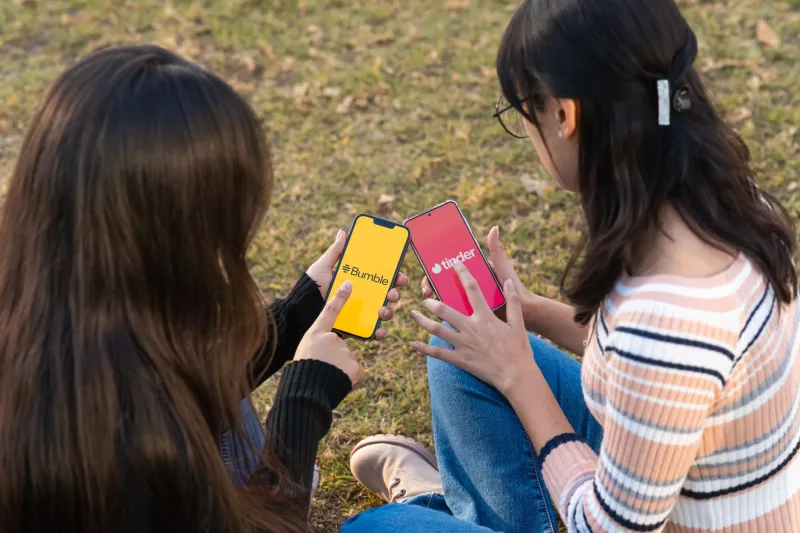
One day they're matching Halloween costumes and co-hosting a podcast nobody asked for. The next, someone's posting a cryptic Rumi quote at 2 a.m. and the internet is already drafting its war crimes tribunal. Celebrity friendship breakups are the reality TV we never signed up for but absolutely cannot stop watching.
Welcome to the most chaotic genre of public spectacle: the famous falling-out. Not a divorce. Not a label dispute. Not even a feuding co-star situation where there's a publicist-approved script. This is the raw, unhinged dissolution of a friendship — something that was supposed to be sacred, or at least aesthetically pleasing on Instagram — and it's being litigated entirely in the comments section of posts where neither party has said anything directly yet.
Buckle up. It's going to get petty in the most magnificent way.
The Friendship Industrial Complex (And How It Was Always Going to Collapse)
Here's the thing nobody wants to admit: a significant chunk of celebrity friendships are not friendships. They are content partnerships wearing friendship's clothing. The matching outfits, the joint TikToks, the "I love her so much I literally can't" Instagram captions — these are not the organic expressions of human connection. They are deliverables.
When two famous people start publicly performing their bond, they're essentially launching a brand. And like every brand, it requires maintenance, mutual benefit, and the shared delusion that the whole thing is authentic. The second one party gets a better deal elsewhere — a solo project, a new audience, a different vibe — the brand starts hemorrhaging. And unlike a regular friendship that quietly fades over unreturned texts and scheduling conflicts, the celebrity version has a paper trail. A very public, very screenshot-able paper trail.
Influencer duos are the worst offenders here. Co-star friendships at least have the excuse of proximity — you spend fourteen hours a day on a set together, of course you're going to bond. But two lifestyle creators who met at a brand activation in Scottsdale and decided to "do life together"? That's a merger, baby. And mergers fall apart all the time.
The Subtweet as Art Form
Let's talk about the language of the celebrity falling-out, because it is genuinely its own dialect and someone should be studying it academically.
Stage one: The Suspicious Absence. Both parties stop appearing in each other's content. No tag. No mention. The parasocial audience, who has been trained like Pavlovian dogs to notice these things, immediately begins foaming at the mouth. Reddit threads materialize. Timeline audits commence. Someone makes a Google Doc.
Stage two: The Cryptic Post. One party — usually the one who feels wronged — uploads something. Maybe it's a quote about "knowing your worth." Maybe it's a selfie with a new friend group, conspicuously full of people who are not the former bestie. Maybe it's literally just the word "growth" as a standalone caption on a sunset photo. The internet receives this as a sworn deposition.
Stage three: The Podcast Episode That Isn't About Anything But Is Definitely About Everything. Someone goes on a friend's show and talks in careful, legally-reviewed generalities about "toxic dynamics" and "people who drain your energy" and "finally choosing peace." They never name anyone. They don't have to. The audience has already named them, tried them, and sentenced them.
Stage four: The Performative Apology or the Scorched Earth Response. This is the fork in the road. Either someone posts a Notes app essay that uses the word "accountability" eleven times without actually accounting for anything, or someone just goes fully feral and starts liking old callout posts. Both options are deeply entertaining. Neither option resolves anything.
We Are All Jury Members in a Trial We Were Not Subpoenaed For
The truly deranged part of all this — and we mean deranged with the deepest affection — is the way audiences mobilize. Within hours of any perceived celebrity friendship implosion, the internet has organized itself into factions with the efficiency of a military operation.
Team A argues that the person who posted first is clearly the villain because "if you're at peace, why are you posting?" Team B argues that silence is violence and the first poster was simply protecting their mental health. Team C, the chaotic neutral contingent, is just there for the drama and will switch sides based on who drops the better receipts.
And then there's the nostalgia brigade. Oh, the nostalgia brigade. These are the people who surface three-year-old videos of the former besties laughing together and caption them with "this hurts to watch" as if they personally attended the friendship's funeral. They will excavate old podcast episodes. They will timestamp the exact moment in a vlog where, in retrospect, you can tell something was already wrong. They are grief-posting about a relationship they were never part of, and somehow, it hits.
Because here's the uncomfortable truth: we invested. We watched the content. We rooted for the dynamic. We made it part of our routine. So when it implodes, there's a genuine sense of loss — not for them, but for the version of reality we'd constructed around them. The friendship breakup isn't just their loss. It's the loss of our parasocial living room.
Were They Ever Actually Friends, Though?
This is the question that lingers like a bad smell at a dinner party nobody wants to acknowledge.
Some of them, genuinely, yes. Real friendships exist in Hollywood and on the influencer circuit. People do form authentic bonds under weird circumstances. The pressure-cooker environment of fame can actually forge pretty intense connections, in the same way that people who survive shared trauma tend to stick together.
But a lot of it? A lot of it was always content waiting for its expiration date. The friendship was real insofar as the mutual benefit was real. The second the calculus shifted — one person's star rose faster, one person's audience turned on the other, one person got invited to the Met Gala and the other didn't — the whole architecture started wobbling.
The saddest version of this story is when you can actually pinpoint the moment a real friendship got swallowed by its own content machine. When two people who genuinely liked each other got so deep into performing their friendship that they forgot how to just be friends. When the brand ate the relationship. That one stings a little, even for the most cynical among us.
So What Do We Do With All This Wreckage?
Honestly? We watch. We laugh. We feel vaguely implicated. We maybe, just maybe, examine the way we consume other people's relationships as entertainment and ask ourselves what that says about us.
And then we refresh the feed, because someone just posted a cryptic story with a very telling song choice, and the Google Doc is already being updated.
The friendship breakup heard 'round the web is never really about the friendship. It's about all of us, staring into the parasocial void, waiting for the void to do something dramatic so we have something to talk about.
At least the void delivers. Every single time.


